


Message from the Director
AKIYAMA Nobumasa, Director, Center for Disarmament, Science and Technology
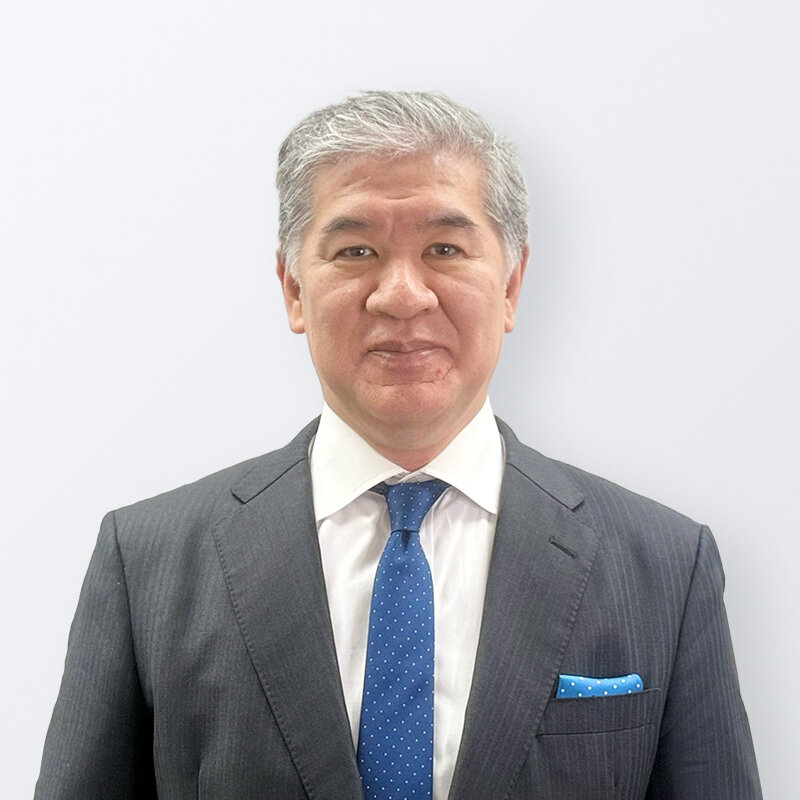
I am Nobumasa Akiyama, and I have been appointed Director of the Center for Disarmament, Science and Technology at the Japan Institute of International Affairs.
The global environment surrounding arms control, disarmament, and non-proliferation is becoming increasingly challenging.
In East Asia, both China and North Korea continue to enhance their nuclear capabilities in terms of quality and quantity. China is expanding its stockpile of nuclear warheads, making it the only nuclear-armed state under the Treaty on the Non-Proliferation of Nuclear Weapons (NPT) to do so. North Korea, meanwhile, is pursuing nuclear capabilities not only as a deterrent against the United States but also with potential theater-level use in mind, while simultaneously reinforcing its confrontational posture toward South Korea. If the trend of both countries strengthening their nuclear forces continues, their nuclear weapons will cast an even longer and darker shadow over Japan's security and the peaceful order of East Asia.
The Russian invasion of Ukraine, which commenced in February 2022, triggered a series of developments that significantly amplified the salience of nuclear weapons within the conflict. These include signaling by Russia suggesting potential nuclear weapons use, disinformation campaigns implying nuclear terrorism, and heightening concerns regarding nuclear safety and security following attacks on nuclear power plants. Consequently, debates within the international community concerning the nature of nuclear deterrence and the management of nuclear risks have intensified.
In the Middle East, the confrontation between Israel, which is believed to possess nuclear weapons, and Iran, which is suspected of developing them, is intensifying. If Iran takes further steps toward nuclear possession, combined with the deterioration of the security environment, it could increase the incentives for countries in the region to acquire nuclear weapons.
In this climate, countries are continuing their efforts to strengthen security policies and nuclear deterrence, while pessimism toward arms control and nuclear disarmament is spreading. Within the NPT review process, significant differences of opinion among the States Parties have become evident, accompanied by growing divisions in the international community and a sense of resignation regarding progress on disarmament.
Nevertheless, even under such challenging circumstances, I believe it is essential for the international community--and for Japan--not only to address the immediate crises and risks we face, but also to envision arms control and disarmament as tools for reducing risks and mitigating threats over the medium to long term. It is equally important to maintain multilateral frameworks as platforms for dialogue and information exchange that transcend differences in systems and positions, serving common challenges and security interests. For example, sustaining the operation of the global nuclear test monitoring system established under the Comprehensive Nuclear-Test-Ban Treaty (CTBT)--for which this center serves as the National Operation System Secretariat--will provide a technical foundation that underpins such multilateral cooperation.
One of the factors complicating the international security environment is innovation in so-called emerging technologies, such as artificial intelligence (AI), quantum computing, sensory technology, and biotechnology. Naturally, these technologies contribute to making our society more prosperous. At the same time, their impact on national security and competitiveness is extremely significant. A major challenge lies in determining how to promote innovation while preventing illicit transfers, maintaining a healthy competitive environment, and ensuring the soundness and resilience of the innovation ecosystem--all in the pursuit of securing and sustaining competitive advantage and enhancing security.
There are also concerns that the military application of such technologies could increase the risk of conflict or escalation. Furthermore, some argue that inequalities in access to these technologies may create conditions that deepen divisions within the international community.
Our center was established under the leadership of former director Hirofumi Tosaki (currently affiliated with Hiroshima University) to address these issues. We will continue to strengthen our efforts to tackle these challenges while expanding partnerships both within Japan and internationally, so that we can further contribute to global peace as well as to Japan's safety and prosperity.
August 29, 2024
Nobumasa Akiyama
Director, Center for Disarmament, Science and Technology
The Japan Institute of International Affairs